Our Services
Twin Cities Landscape Solutions: Professional Design for Minneapolis/St. Paul Properties
There's something special about pulling into your driveway and feeling pride. But creating an outdoor space that reflects exactly who you are and what you value takes more than good intentions—it takes understanding what works in Minnesota and what doesn't.
The Twin Cities region offers incredible opportunities for beautiful outdoor spaces, but our climate doesn't forgive shortcuts or poor planning. From the historic neighborhoods of Saint Paul to the modern suburbs surrounding Minneapolis, successful properties share one thing: they work with Minnesota's seasons instead of fighting them.

What Makes Twin Cities Landscaping Different
Minnesota weather puts everything through a serious test. One week it's -20°F, and a few months later it's pushing 90°F with humidity that makes you want to stay inside. These wild temperature swings crack cheap materials, kill the wrong plants, and turn poorly planned spaces into maintenance nightmares.
Most of the Twin Cities sits on clay soil that holds water like a sponge. While clay soil offers certain benefits, inadequate drainage leads to standing water that damages plant root systems and threatens foundation stability. Properties without proper drainage planning often experience waterlogged conditions each spring that can damage both hardscaping and landscape investments.
Winter brings its own headaches. Road salt gets tracked everywhere, killing grass and shrubs near driveways. Freeze-thaw cycles happen over and over, pushing against retaining walls and heaving poorly installed patios. Spring snowmelt can overwhelm drainage systems that work fine the rest of the year.
Extreme temperatures destroy materials and plants that aren't Twin Cities-tough
Heavy clay soil creates drainage problems that ruin foundations and kill plants
Road salt kills anything growing near driveways and walkways
Freeze-thaw cycles crack and shift poorly built hardscaping
Spring flooding reveals which properties planned for water and which didn't
Once you understand these challenges, you can plan around them. The right plants thrive in our climate. And when everything works together through well-designed landscape packages, you get outdoor spaces that look amazing year after year with surprisingly little maintenance.
Choosing Plants That Love The Twin Cities Weather
After years of working with Minneapolis/St. Paul properties, we've learned which plants thrive in our climate. Native Minnesota plants consistently outperform non-native options because they've adapted to our conditions over thousands of years. They handle our brutal winters and humid summers without the constant care that other plants require.
Native plants offer practical advantages that make property maintenance easier. Once established, they handle dry periods better than most irrigation systems can manage. They resist local pests and diseases naturally, reducing the need for treatments. And they provide habitat for birds and beneficial insects that help create balanced, healthy outdoor environments.
Prairie plants handle drought and poor soil
Pollinator magnets bring beneficial insects that help everything grow better
Four-season stars look good from spring through fall
Salt-tough species near driveways survive winter road treatments
Deep-rooted champions prevent erosion while needing less water
Native plants get better with age. While non-native plants often decline after a few years, natives develop stronger root systems and become more beautiful over time. That's the kind of investment that makes sense.
Building Hardscapes That Last Through Minnesota Winters
Minnesota's extreme weather conditions quickly reveal the difference between quality hardscaping and inferior installations. Materials and techniques that perform well in milder climates often fail under Twin Cities conditions.
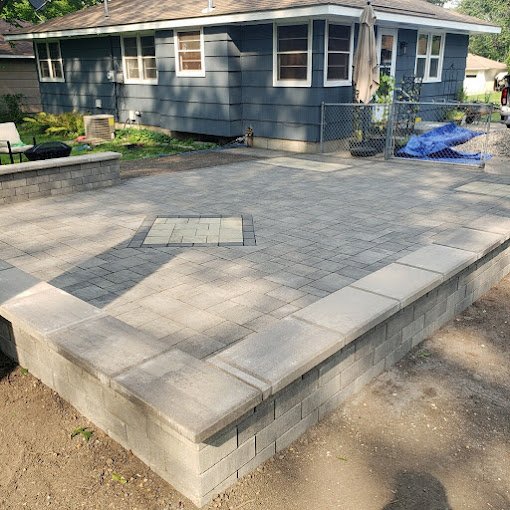
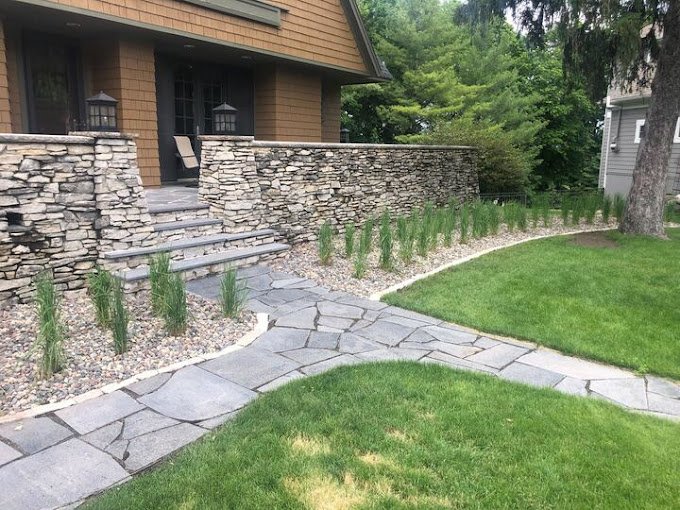
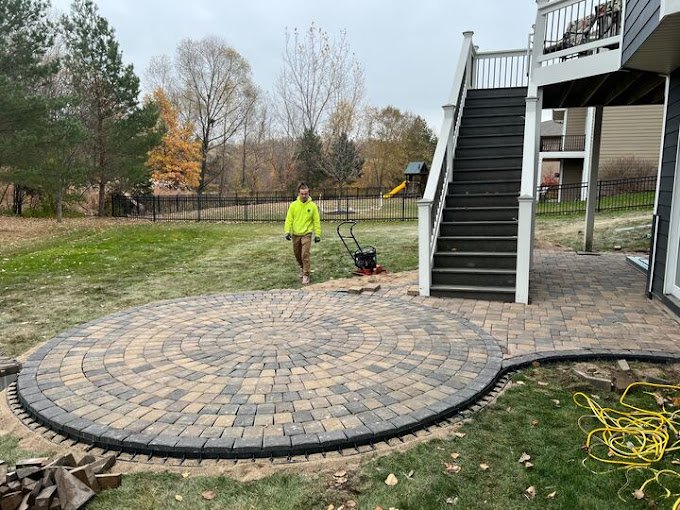
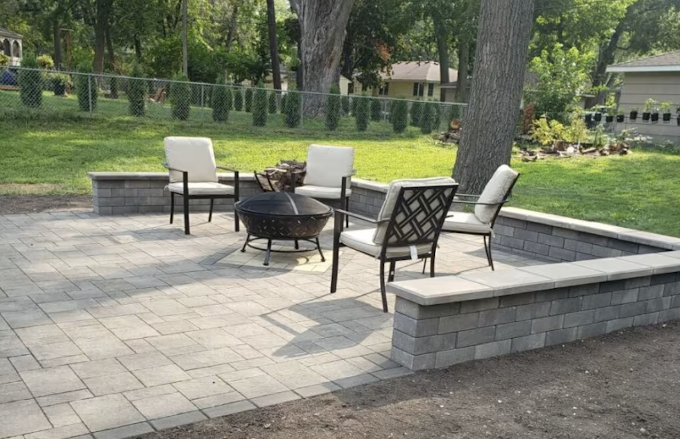
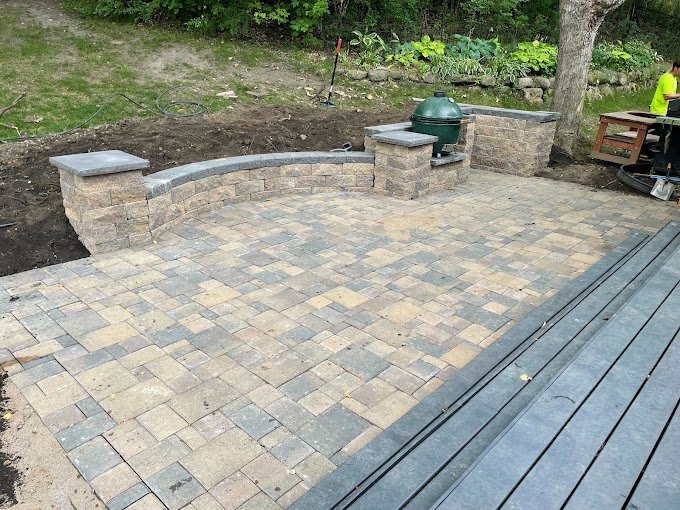
Quality limestone, well-manufactured concrete pavers, and properly fired bricks withstand our temperature extremes effectively. However, even premium materials require proper installation to perform as intended. Foundation preparation is important—adequate compacted gravel base, drainage systems, and professional sand leveling that accommodates seasonal ground movement.
Quality materials like limestone and premium pavers resist freeze-thaw damage
Professional base prep with compacted gravel prevents settling and cracking
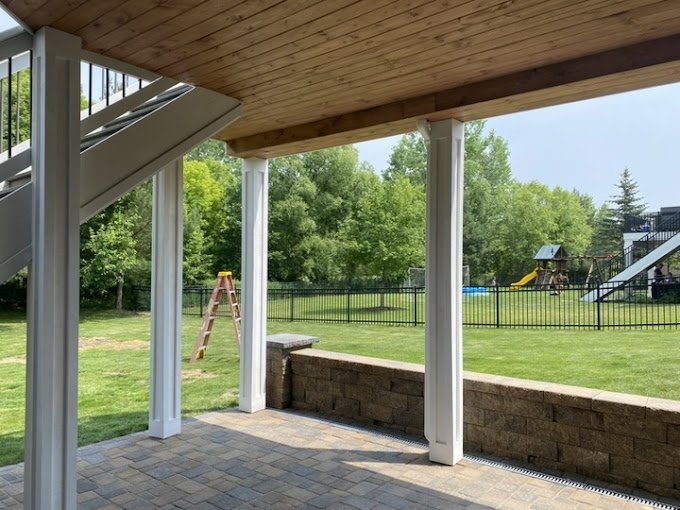
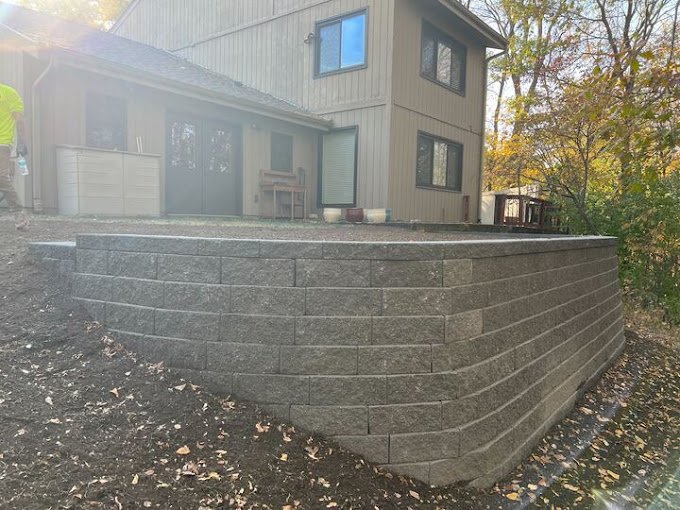
Proper wall drainage stops frost heave from pushing structures apart
Minnesota-experienced installation accounts for our specific soil and climate challenges
Flexible design allows for seasonal movement without structural failure
The investment in doing hardscaping right pays off every year. Your patio stays level. Your walkways don't crack. Your retaining walls actually retain. And you get to enjoy your outdoor living space instead of constantly fixing it.
Reducing Maintenance Through Smart Design
Effective water management creates outdoor spaces that require less maintenance while supporting environmental responsibility. Rain gardens manage stormwater runoff while creating attractive planted areas that provide habitat for birds and beneficial insects. These designs collect water from roofs and paved surfaces, allowing gradual absorption rather than overwhelming storm drainage systems.
Advanced irrigation systems automatically adjust watering schedules based on current weather conditions, soil moisture levels, and seasonal requirements. Weather-based controllers prevent unnecessary watering during rainfall and adjust for temperature changes. These systems reduce water consumption while maintaining healthier plant conditions through more precise moisture management.
Quality mulch provides benefits beyond visual appeal. Proper mulching suppresses weed growth, retains soil moisture, and moderates temperature fluctuations that can stress plants. Organic mulches decompose gradually, adding beneficial organic matter to soil while reducing the frequency of replacement applications.
Rain gardens turn drainage problems into attractive planted areas
Smart irrigation adjusts automatically based on weather and soil conditions
Mulch reduces weeding, watering, and plant stress
Composting systems turn yard waste into valuable soil improvement
Native plant choices need less water, fertilizer, and pest control once established
These approaches create properties that practically take care of themselves. Less watering, less weeding, less maintenance—and better results than high-maintenance alternatives.
Extending Your Home into the Outdoors
Well-designed outdoor living spaces extend your home's usable area into the landscape. Three-season rooms, covered patios, and screened porches allow comfortable enjoyment of Minnesota's pleasant weather from late spring through early fall while providing protection from insects and sudden weather changes.
Fire features make cool evenings comfortable for entertaining
Covered structures provide protection from sun, wind, and rain
Outdoor kitchens create functional spaces for cooking and gathering
Luxury pool areas create refreshing retreats during Minnesota's hot, humid summers
Three-season designs maximize usable time in Minnesota's climate
Weather-resistant materials handle our seasonal extremes without constant replacement
The goal is creating spaces that make you want to spend time outside. When neighbors start asking where you got your fire table, you know it's working.
Smart Design Reduces Landscape Maintenance
Smart design reduces maintenance without sacrificing beauty. The right plants in the right locations need less water, fertilizer, and pest control. Well-built hardscaping ages gracefully without constant repairs. Quality materials perform better and last longer than cheap alternatives.
Minnesota's seasons create specific maintenance rhythms. Spring means cleanup, system startups, and planning for the growing season. Summer focuses on enjoying your space with minimal intervention. Fall preparation includes plant protection and winterizing systems.
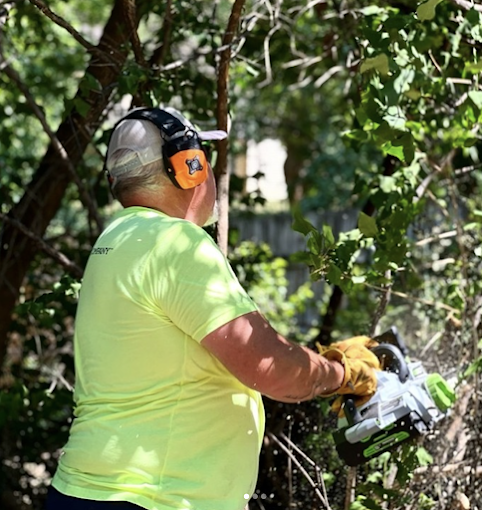
Some tasks require professional expertise—irrigation system maintenance, large tree care, and major installations. Others work fine as DIY projects for homeowners who enjoy working in their yards. The key is designing spaces that don't demand constant professional intervention to look good.
Professional Twin Cities Landscape Expertise
Creating outdoor spaces that thrive in Minneapolis/St. Paul takes local knowledge and attention to detail. At Cherry Hill Outdoor Landscape and Design, we've spent years learning what works in Minnesota and what doesn't. We know which materials handle our climate, which plants will make you proud, and how to build spaces that get better with age.
We prioritize quality and reliability because shortcuts always show up eventually in Minnesota. Our team understands how to work with clay soil, plan for drainage, select plants that thrive, and install hardscaping that stays beautiful year after year.
What sets us apart is simple: we never just check boxes, we check our work. Every project gets the attention to detail that creates outdoor spaces you'll be proud of for years to come.
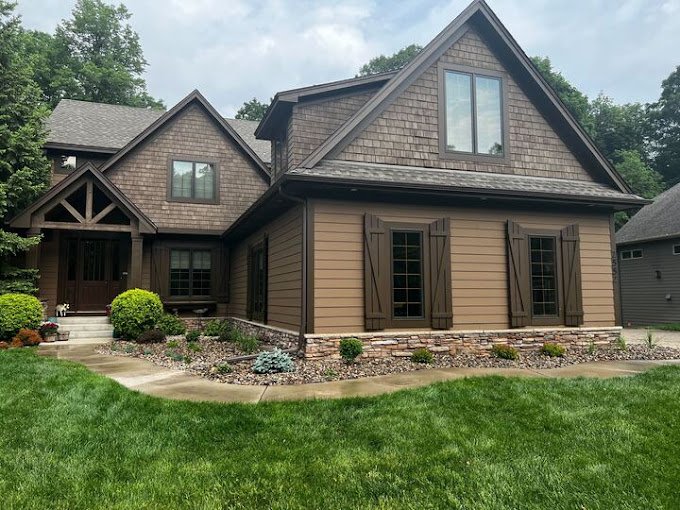
Your outdoor space should reflect your standards, style, and values. Whether you want neighbors to notice your curb appeal, friends to love gathering in your backyard, or just that feeling of pride every time you pull into your driveway, we have the Minnesota expertise to make it happen.
Frequently Asked Questions
What's the difference between Cherry Hill Outdoor Landscape and Design and other landscaping companies?
Our difference is simple: we prioritize quality and reliability over everything else. We never just check boxes—we check our work. Many companies focus on completing as many projects as possible, but we focus on doing each project right. Our team understands Minnesota conditions and uses materials and techniques specifically chosen for our climate. The same professionals you meet during consultation stay involved throughout your entire project.
Do you work with both residential and commercial properties?
Yes, Cherry Hill Outdoor Landscape and Design services both residential and commercial properties throughout the Minneapolis/St. Paul metro area. Our equipment and expertise allow us to handle everything from single-family homes to large commercial complexes. We adapt our services to each property's specific needs while maintaining our high standards of quality across all projects.
What makes Twin Cities landscape design different from other regions?
Our Minneapolis/St. Paul climate creates challenges you won't find in most other areas. Temperature swings from -20°F to 90°F+ stress both plants and materials. Heavy clay soil dominates the region, creating drainage issues that can damage foundations and kill plants. Add winter road salt, repeated freeze-thaw cycles, and spring flooding, and you need local expertise to create landscapes that actually thrive here.
Landscaping Photo Gallery